
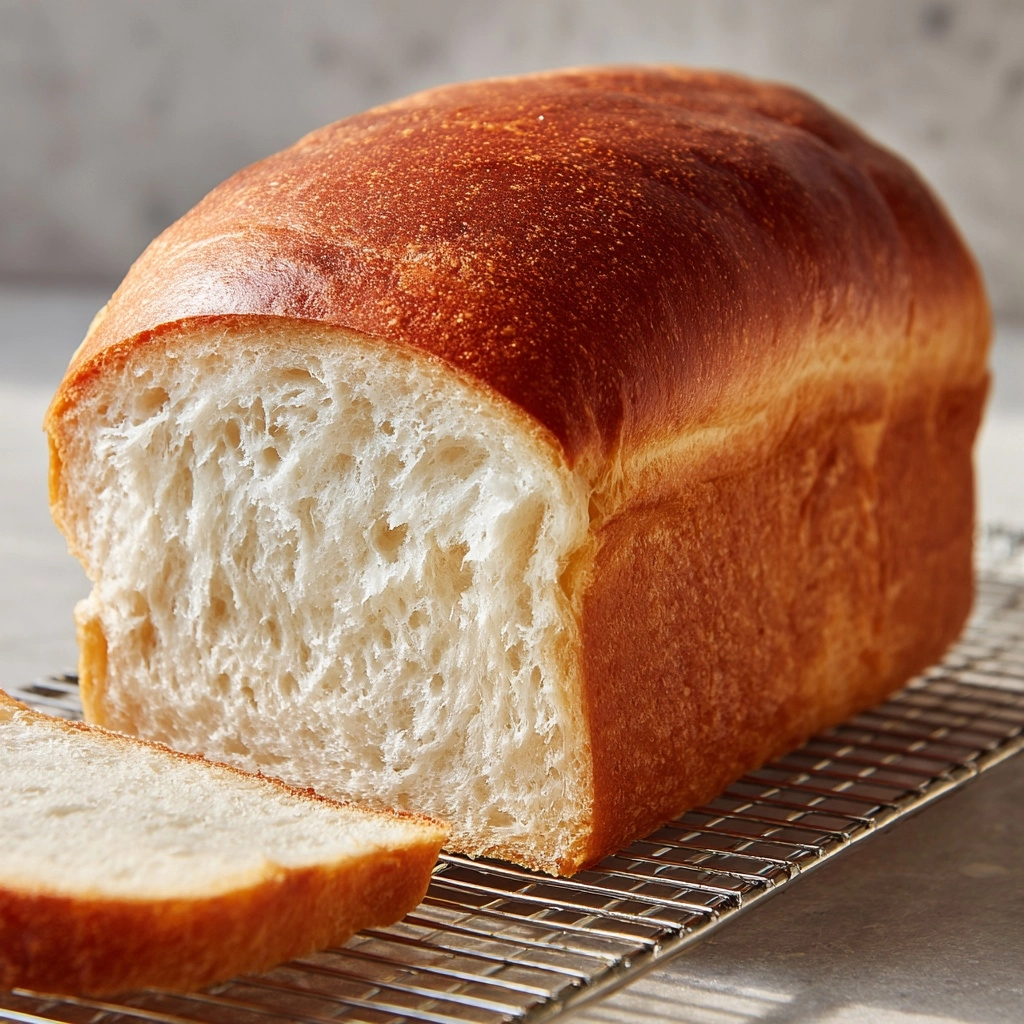
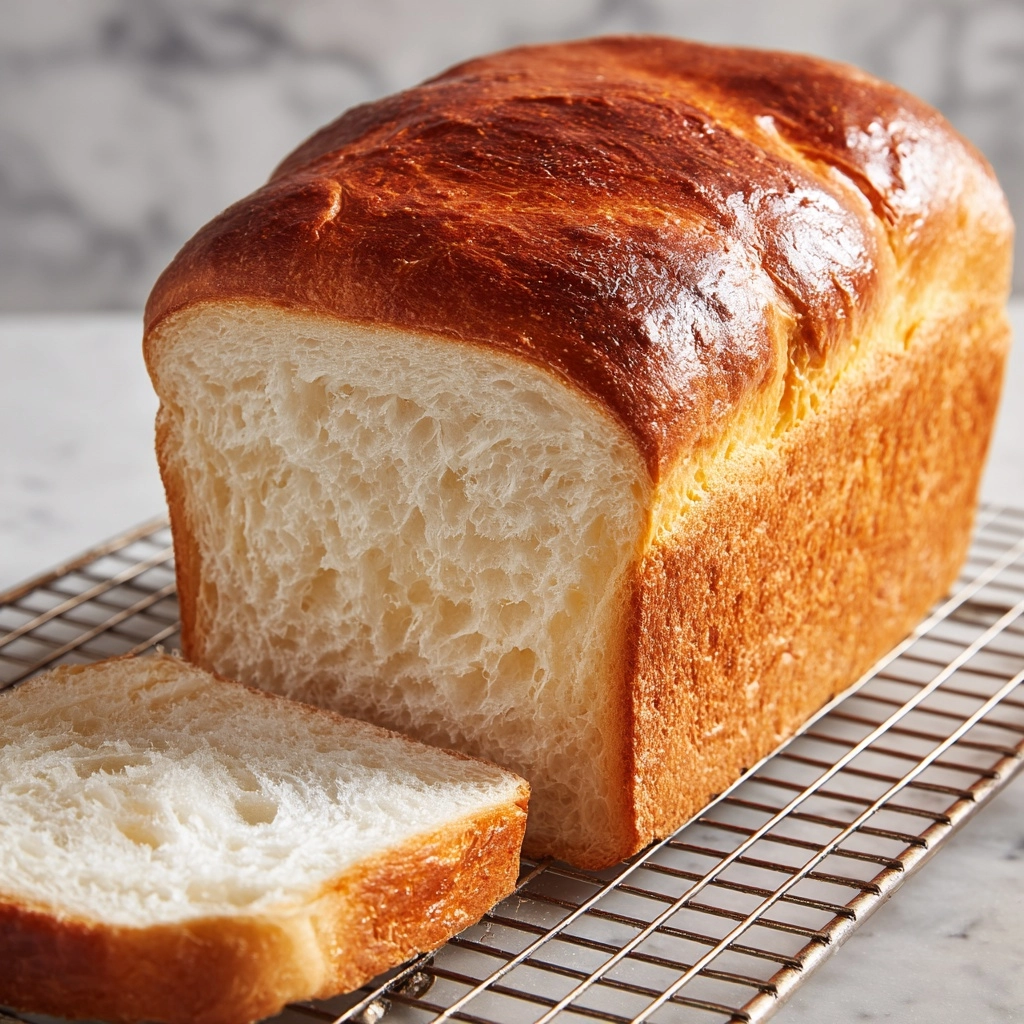
If you’ve ever dreamed of pulling a warm, pillowy loaf of bread fresh from your oven, then this Super Soft Homemade Bread Recipe is exactly what you need. The moment you take a bite, you’ll be greeted with a tender crumb and a rich, buttery flavor that feels like a comforting hug. This bread is irresistibly fluffy yet sturdy enough for your favorite sandwiches or simply slathered with butter. It is one of those recipes that quickly becomes a staple in your kitchen, offering both simplicity and deliciousness in every slice.
Ingredients You’ll Need
These ingredients are simple staples you likely already have in your pantry, yet each one plays an essential role in creating that perfect soft texture and delicate flavor that makes this bread so wonderful.
- All-purpose flour: Provides the structure and soft crumb, use a little extra if the dough feels too sticky.
- Active dry yeast: The magic behind the rise, bringing lightness and airiness to the bread.
- Granulated sugar: Feeds the yeast for a good rise and adds just a touch of sweetness.
- Salt: Enhances flavor and balances the sweetness perfectly.
- Warm milk: Adds richness and tenderizes the crumb for a really soft texture.
- Warm water: Activates the yeast and helps blend the ingredients smoothly.
- Unsalted butter: Melted to infuse the dough with butteriness and keep the bread soft after baking.
- Large egg: Adds richness, color, and helps create a tender crumb.
How to Make Super Soft Homemade Bread Recipe
Step 1: Activate the Yeast
Start by combining warm water, yeast, and a tablespoon of sugar in a small bowl. Let it sit for about 5 to 10 minutes until it becomes foamy. This little bubbling mixture means your yeast is alive and ready to give your bread that wonderful rise we all love.
Step 2: Mix the Wet Ingredients
In a larger bowl or your stand mixer, add warm milk, melted butter, the remaining sugar, the egg, and salt. Stir in the activated yeast mixture you prepared earlier. Getting these wet ingredients together first helps create a smooth dough that’s easy to work with.
Step 3: Incorporate the Flour and Form the Dough
Add the flour gradually, about one cup at a time, mixing well after each addition. The dough should come together as a soft, slightly sticky ball. This texture is key for keeping the bread exceptionally soft and fluffy.
Step 4: Knead the Dough
Knead your dough by hand or with a dough hook for 8 to 10 minutes. This step is where the dough develops elasticity and strength, making sure your bread rises nicely and has that perfect chew without being tough.
Step 5: First Rise
Place the dough in a greased bowl and cover it with a clean towel or plastic wrap. Set it somewhere warm and let it rise for 1 to 1½ hours until it doubles in size. Watching it puff up and grow is always such a rewarding part of bread baking.
Step 6: Shape and Second Rise
Punch down the risen dough and shape it into a loaf or divide it into rolls. Place it in a greased loaf pan or a parchment-lined baking sheet. Cover it again and let it rise for another 30 to 45 minutes until it becomes nice and puffy.
Step 7: Bake to Golden Perfection
Preheat your oven to 350°F (175°C). Bake the bread for 25 to 30 minutes until golden brown and hollow sounding when tapped. Once out of the oven, brush the top with melted butter to give the crust a soft, glossy finish. Let it cool slightly before slicing to keep those crumbs tender and soft.
How to Serve Super Soft Homemade Bread Recipe
Garnishes
The beauty of this bread is in its simplicity, but you can elevate it by brushing the top with melted butter, garlic butter, or even a sprinkle of flaky sea salt right after baking. For a sweet twist, a light drizzle of honey or cinnamon sugar is delightful.
Side Dishes
This bread is versatile enough to go with nearly anything. Serve it alongside hearty soups, fresh salads, or rich stews. It’s also fabulous with creamy cheeses, savory spreads, or turned into the star ingredient of a gourmet sandwich.
Creative Ways to Present
Try slicing the bread thick for a comforting French toast breakfast or cube it to make a warm bread pudding. You can also use rolls for sliders or tear pieces off for a rustic bread basket centerpiece during dinner gatherings. The Super Soft Homemade Bread Recipe lends itself perfectly to all these creative presentations!
Make Ahead and Storage
Storing Leftovers
Keep your bread fresh by storing it in an airtight container or breadbox at room temperature. It should maintain its softness for up to three days — perfect for enjoying fresh sandwiches or snacks without any fuss.
Freezing
If you want to save some for later, wrap your bread tightly in plastic wrap and then place it in a freezer bag. It freezes beautifully and can last up to 3 months. When you’re ready, gently thaw it at room temperature.
Reheating
To bring your bread back to life, heat slices in a toaster or warm a whole loaf in the oven at 300°F (150°C) for about 10–15 minutes. Brushing a little butter on top before reheating adds an extra touch of softness and flavor.
FAQs
Can I use whole wheat flour instead of all-purpose flour?
You can substitute part or all of the all-purpose flour with whole wheat flour, but keep in mind that it may result in a denser loaf. For a lighter texture, try using up to half whole wheat flour combined with all-purpose.
Why is my bread not soft after baking?
Ensuring the dough is slightly sticky and well-kneaded helps develop gluten, which is key for softness. Also, brushing the bread with melted butter right after baking locks moisture in, keeping the crust tender.
Can I make this bread without a stand mixer?
Absolutely! You can mix and knead the dough by hand. It just takes a bit more elbow grease, but kneading by hand gives you great control over the dough’s texture.
How long should I let the dough rise for the best result?
The first rise should be about 1 to 1½ hours until doubled in size, and the second rise about 30 to 45 minutes until puffy. Rising times depend on room temperature—a warm spot speeds things up.
Is this recipe good for making dinner rolls?
Definitely! This Super Soft Homemade Bread Recipe can be divided into smaller portions to create soft, buttery dinner rolls that are perfect for any meal or special occasion.
Final Thoughts
There’s something truly magical about homemade bread, and this Super Soft Homemade Bread Recipe makes that magic so easy to achieve in your kitchen. It’s a warm, comforting experience from start to finish, and the reward of slicing into a fresh loaf is absolutely unbeatable. Give it a try, and I promise this recipe will become a beloved classic in your home just like it is in mine!
Print
Super Soft Homemade Bread Recipe
- Prep Time: 15 minutes
- Cook Time: 30 minutes
- Total Time: 2 hours 15 minutes
- Yield: 1 loaf or 12 rolls
- Category: Bread
- Method: Baking
- Cuisine: American
- Diet: Vegetarian
Description
This Super Soft Bread Recipe yields a delightfully fluffy and tender homemade bread perfect for sandwiches or as a side. Using simple ingredients like all-purpose flour, yeast, and warm milk, this bread combines a subtle sweetness and a soft crumb, making it ideal for everyday baking at home.
Ingredients
Dough Ingredients
- 4 cups all-purpose flour (plus more as needed)
- 2 ¼ teaspoons active dry yeast (1 packet)
- 2 tablespoons granulated sugar
- 1 teaspoon salt
- 1 cup warm milk (about 110°F)
- ¼ cup warm water
- ¼ cup unsalted butter (melted)
- 1 large egg
Instructions
- Activate Yeast: In a small bowl, combine the warm water, yeast, and 1 tablespoon of sugar. Stir gently and let sit for 5–10 minutes until the mixture becomes foamy, indicating the yeast is active.
- Mix Wet Ingredients: In a large mixing bowl or stand mixer, add the warm milk, melted butter, remaining sugar, egg, and salt. Stir to combine these liquids thoroughly.
- Combine Dough: Stir in the activated yeast mixture into the wet ingredients. Gradually add flour one cup at a time while mixing until a soft, slightly sticky dough forms.
- Knead Dough: Knead the dough for 8–10 minutes by hand on a floured surface or using a dough hook attachment until it is smooth and elastic.
- First Rise: Place the dough into a greased bowl, cover with a clean towel or plastic wrap, and let it rise in a warm place for 1 to 1½ hours until doubled in size.
- Shape Dough: Punch down the dough gently to release air. Shape it into a loaf or divide into rolls and place in a greased loaf pan or on a parchment-lined baking sheet.
- Second Rise: Cover the shaped dough and let it rise again for 30–45 minutes until it becomes puffy.
- Bake: Preheat the oven to 350°F (175°C). Bake the bread for 25–30 minutes until golden brown and it sounds hollow when tapped on the bottom.
- Finish and Cool: Remove the bread from the oven and brush the top with melted butter to enhance softness. Allow it to cool slightly before slicing for the best texture.
Notes
- For extra richness, substitute whole milk and add a splash of cream to the dough.
- This dough is versatile and works well for soft dinner rolls or cinnamon rolls.
- Store the baked bread in an airtight container at room temperature for up to 3 days to maintain freshness.