If you have ever dreamed of recreating those vibrant and irresistible street food flavors at home, this Pad Thai Recipe is your perfect gateway. It’s a delightful harmony of tangy, sweet, and savory notes wrapped around tender rice noodles, with a medley of fresh veggies, tofu, and shrimp that bring it all to life. Every bite bursts with textures and colors, making this dish not just a meal but an experience you will crave again and again. Let’s dive deep into crafting an authentic Pad Thai Recipe that’s as satisfying as your favorite Thai takeout, only fresher and more personal.
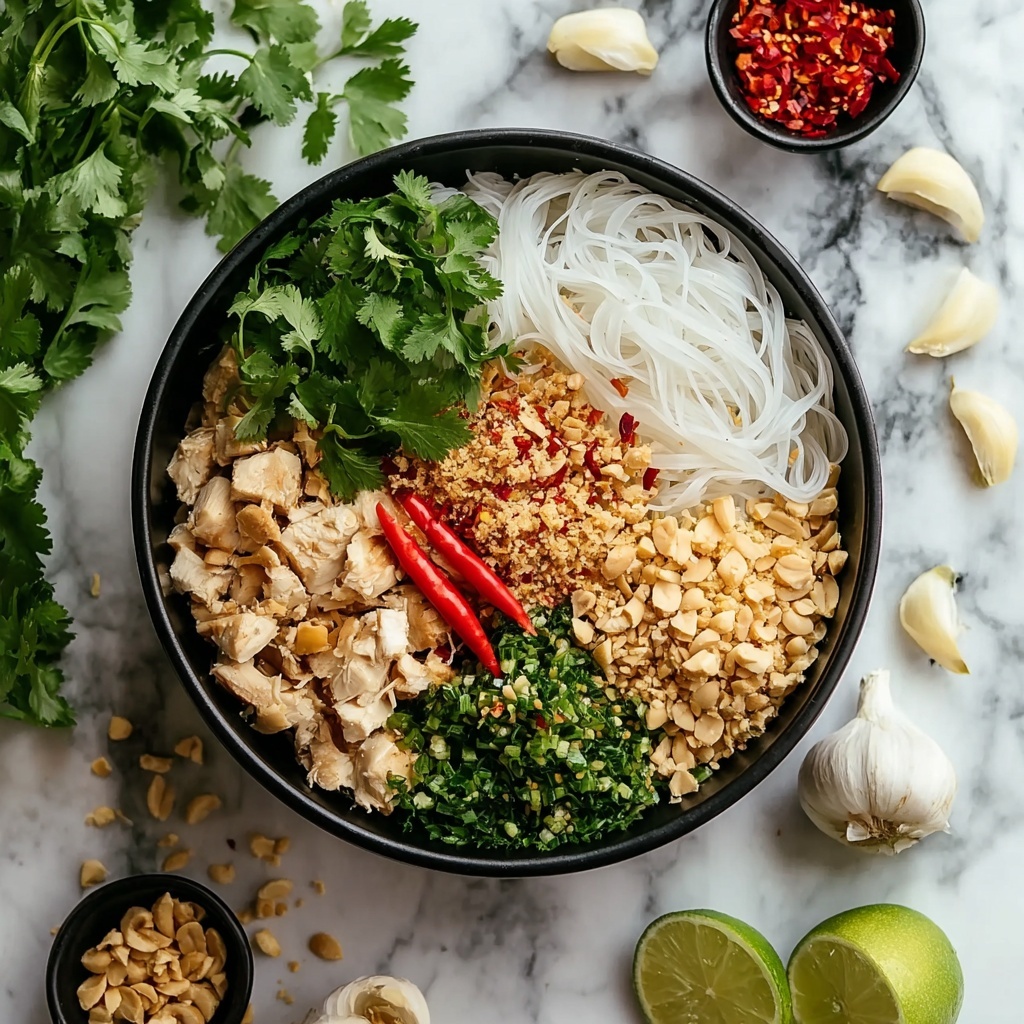
Ingredients You’ll Need
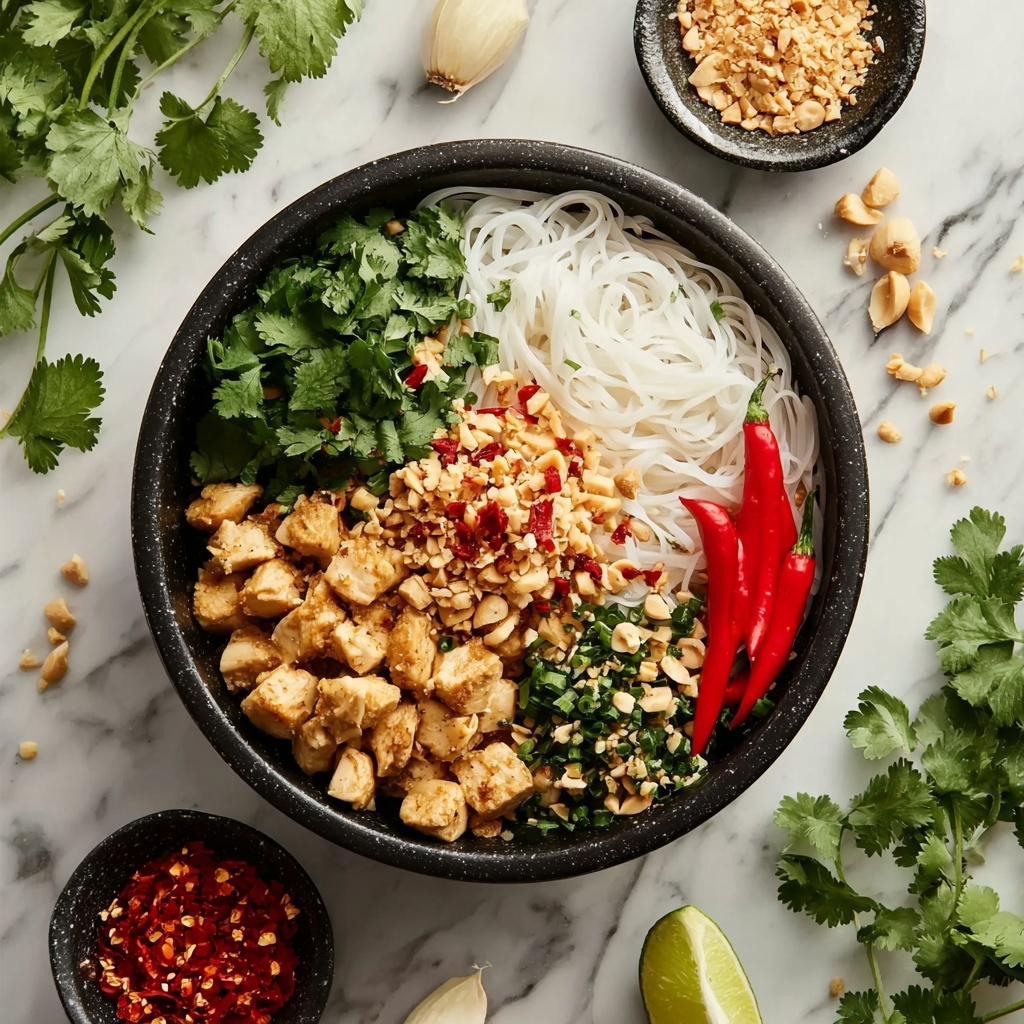
Keeping your ingredients straightforward yet essential is what makes this Pad Thai Recipe shine. Each element plays a unique role, whether it’s the chewy rice noodles providing the perfect base or the bright crunch of bean sprouts adding texture complexity.
- Rice noodles: The chewy heart of the dish, soaking up all those delicious flavors.
- Vegetable oil (1/4 cup): Key for stir-frying everything evenly without overpowering the dish.
- Garlic (2 cloves, minced): Adds an aromatic punch that wakes up the palate.
- Red chili (1, finely chopped): Infuses a gentle heat that balances the sweet and sour ingredients.
- Tofu (1/2 cup, cubed): Provides a soft, protein-rich component that absorbs the sauce beautifully.
- Shrimp (1/2 cup, peeled and deveined): Brings a delicate seafood sweetness and a bit of bite.
- Eggs (2): Scrambled into the mix for richness and a silky texture.
- Soy sauce (1/4 cup): Adds saltiness and umami depth.
- Tamarind paste (3 tablespoons): The secret star that gives Pad Thai its signature tang.
- Brown sugar (1/4 cup): Balances sour and salty with a mellow sweetness.
- Bean sprouts (1 cup): Offer a fresh, crunchy contrast that lightens the dish.
- Peanuts (1/4 cup, chopped): Introduce a satisfying crunch and nutty flavor.
- Green onions (2, sliced): Brighten the dish with their sharp, fresh notes.
- Cilantro (1/4 cup, chopped): Adds a burst of herbal freshness that rounds out the flavors.
How to Make Pad Thai Recipe
Step 1: Prepare Your Noodles
Start by soaking the rice noodles in hot water according to the package directions until they become soft but still hold some bite. This is essential because the noodles will soak up the sauces later without turning mushy. Once softened, drain and set them aside so they are ready for stir-frying.
Step 2: Heat the Pan
Warm your vegetable oil in a large pan or wok over medium heat. The oil is crucial for creating that classic wok hei flavor and preventing ingredients from sticking, giving you a perfectly cooked Pad Thai.
Step 3: Sauté Aromatics
Add the minced garlic and the finely chopped red chili to the hot oil, stirring quickly for about a minute. This step releases their fragrance and starts building the complex flavor foundation of the dish.
Step 4: Cook Tofu and Shrimp
Introduce the cubed tofu and shrimp to the pan. Cook everything together until the shrimp turns a beautiful pink and becomes opaque, signaling it’s perfectly cooked. The tofu soaks up the sizzling flavors, making each bite unforgettable.
Step 5: Scramble the Eggs
Push the tofu and shrimp to one side of your pan, then crack the eggs into the empty space. Scramble them gently until they’re just cooked through. This layering technique helps control the cooking process and keeps each ingredient at its best.
Step 6: Combine Ingredients
Mix the scrambled eggs with the tofu and shrimp, blending all the flavors cohesively before adding noodles.
Step 7: Add Noodles
Gently fold in the soaked rice noodles, ensuring they’re evenly distributed and ready to soak up the vibrant sauce you’ll soon add.
Step 8: Make the Sauce
In a small bowl, whisk together the soy sauce, tamarind paste, and brown sugar. This combination creates the perfect balance of salty, tangy, and sweet that defines a great Pad Thai.
Step 9: Toss with Sauce
Pour your homemade sauce over the noodles and stir everything thoroughly. The noodles should glisten with that rich, flavorful coating.
Step 10: Add Fresh Ingredients
Throw in the bean sprouts, chopped peanuts, sliced green onions, and chopped cilantro. These ingredients lend texture and freshness, ensuring your Pad Thai is lively and well-balanced.
Step 11: Final Stir Fry
Keep stir-frying for 2 to 3 more minutes until everything is warmed through and well combined. This step helps marry all the textures and flavors beautifully.
Step 12: Adjust Seasoning
Taste your Pad Thai and tweak as needed. If you want more tang, add a little tamarind paste; for sweetness, a pinch more sugar; for saltiness, a splash of soy sauce. This personalization makes the recipe truly your own.
Step 13: Serve Hot
Serve your Pad Thai hot, garnished with extra peanuts, green onions, and cilantro for that inviting finishing touch.
Step 14: Enjoy!
Savor the fruits of your labor—there is nothing quite like homemade Pad Thai to please your taste buds and warm your soul.
How to Serve Pad Thai Recipe
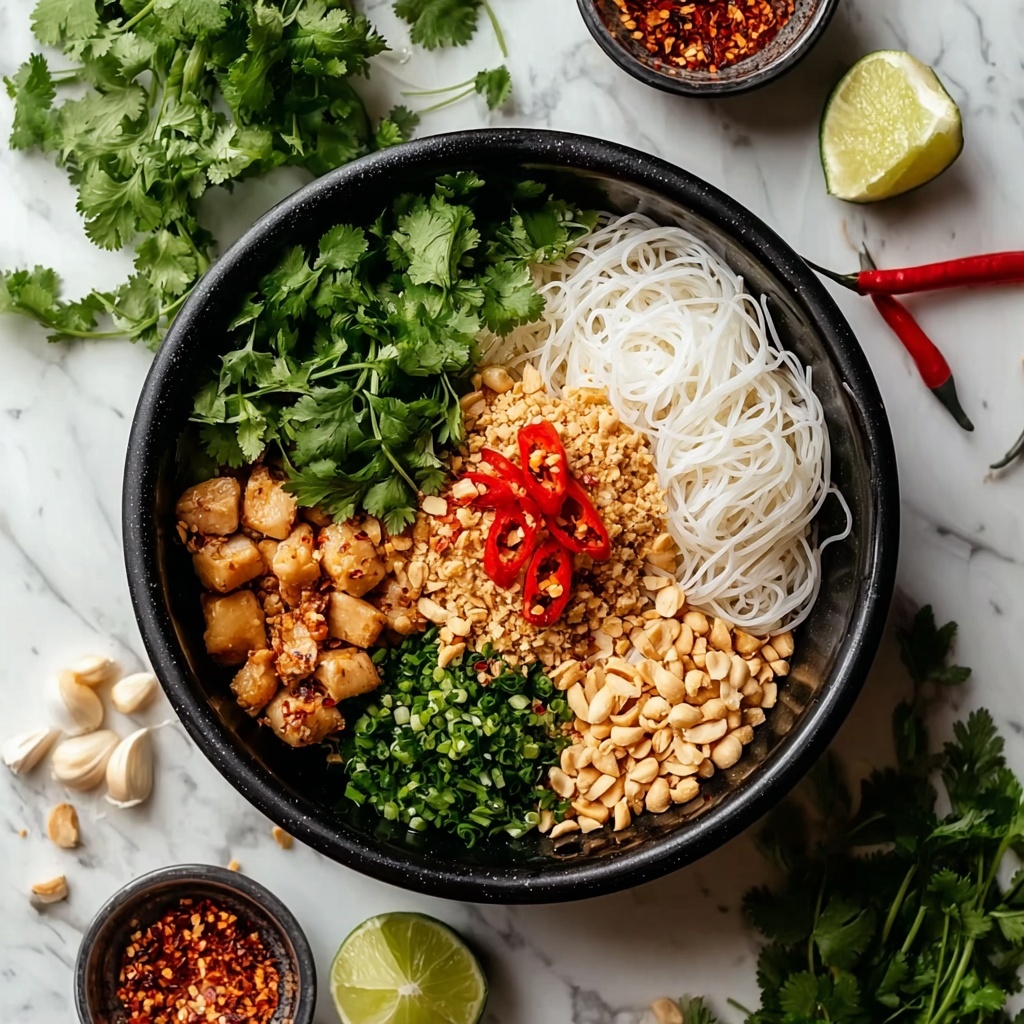
Garnishes
Don’t underestimate the power of garnishes. A sprinkle of fresh cilantro and a handful of chopped peanuts add crunch and herbal freshness, while lime wedges on the side invite a bright citrusy splash that elevates every bite.
Side Dishes
Pair your Pad Thai with light and crisp sides like a simple cucumber salad or steamed Asian greens dressed with a splash of rice vinegar. These sides help balance the richness of the noodles and complement the bold flavors beautifully.
Creative Ways to Present
For a fun twist, serve your Pad Thai in edible vegetable bowls made from hollowed-out bell peppers, or decorate the plate with thinly sliced fresh chilies and herbs. Presentation can make this comforting favorite feel like a festive, gourmet experience.
Make Ahead and Storage
Storing Leftovers
Pad Thai tastes wonderful even as leftovers. Store any uneaten portions in an airtight container in the refrigerator for up to 2 days, making sure it’s cooled completely before sealing. This lets the flavors mature nicely, though the noodles can firm up slightly.
Freezing
While freezing Pad Thai isn’t ideal because noodles tend to lose their texture, you can freeze smaller portions if needed. Be sure to thaw overnight in the refrigerator and reheat gently to minimize sogginess.
Reheating
When reheating, use a hot skillet with a splash of oil to revive the stir-fried textures and flavors. Avoid microwaving as it can cause noodles to become mushy. Adding a little fresh bean sprouts or crushed peanuts during reheating can freshen up the dish.
FAQs
Can I make Pad Thai Recipe vegetarian or vegan?
Absolutely! Simply omit the shrimp and replace eggs with tofu or scrambled plant-based alternatives. Use tamari instead of soy sauce if gluten-free, and you’ll have a delicious vegan-friendly version.
What’s the best way to cook the noodles?
Soaking rice noodles in hot (not boiling) water until just soft is key. Avoid over-soaking to keep them from turning mushy during stir-frying. Follow the package instructions for timing to get that perfect chewy texture.
Can I use other proteins?
Definitely! Chicken, pork, or even thinly sliced beef work wonderfully. You can also keep it all veggie with extra tofu or mushrooms for a heartier bite.
How do I adjust the flavor if it’s too sour or salty?
Counterbalance overly sour tamarind with a touch more brown sugar, and offset saltiness with additional tamarind or a squeeze of lime juice. Taste and adjust little by little until it suits your palate.
What are good substitutes for tamarind paste?
If you can’t find tamarind paste, a mix of lime juice and a bit of brown sugar can replicate the tangy-sweet flavor, though tamarind’s unique depth is hard to match. Some cooks use tamarind concentrate or even pomegranate molasses as alternatives.
Final Thoughts
This Pad Thai Recipe is more than just a meal; it’s a celebration of flavors and textures that you can customize and enjoy any time you crave something vibrant and comforting. Once you try this at home, you’ll see how wonderfully accessible Thai cooking can be. So grab your wok, gather your ingredients, and dive into a dish that’s perfect for sharing and savoring with friends and family!
Print
Pad Thai Recipe
- Prep Time: 0h 20m
- Cook Time: 0h 15m
- Total Time: 0h 35m
- Yield: 4 servings
- Category: Main Course
- Method: Frying
- Cuisine: Thai
Description
A classic Thai stir-fried noodle dish featuring rice noodles tossed with shrimp, tofu, eggs, and a flavorful tamarind-soy sauce, garnished with crunchy peanuts, fresh bean sprouts, green onions, and cilantro.
Ingredients
Main Ingredients
- Rice noodles (quantity as per package instructions)
- 1/4 cup vegetable oil
- 2 cloves garlic, minced
- 1 red chili, finely chopped
- 1/2 cup tofu, cubed
- 1/2 cup shrimp, peeled and deveined
- 2 eggs
Sauce
- 1/4 cup soy sauce
- 3 tablespoons tamarind paste
- 1/4 cup brown sugar
Garnishes
- 1 cup bean sprouts
- 1/4 cup peanuts, chopped
- 2 green onions, sliced
- 1/4 cup cilantro, chopped
Instructions
- Soak Noodles: Soak the rice noodles in hot water according to package instructions until they are soft. Drain and set aside.
- Heat Oil: In a large pan or wok, heat the vegetable oil over medium heat.
- Sauté Aromatics: Add the minced garlic and chopped red chili, and stir fry for about 1 minute until fragrant.
- Cook Protein: Add the cubed tofu and peeled shrimp to the pan, and cook until the shrimp turns pink and opaque.
- Scramble Eggs: Push the ingredients to one side of the pan and crack the eggs into the empty side. Scramble the eggs until cooked through.
- Combine Ingredients: Mix the eggs with the rest of the ingredients in the pan.
- Add Noodles: Add the soaked rice noodles to the pan.
- Prepare Sauce: In a small bowl, mix together the soy sauce, tamarind paste, and brown sugar.
- Add Sauce: Pour the sauce over the noodles and toss everything together until well combined.
- Add Garnishes: Add the bean sprouts, chopped peanuts, sliced green onions, and chopped cilantro to the pan.
- Final Stir Fry: Continue to stir fry for another 2-3 minutes until everything is heated through.
- Adjust Seasoning: Taste and adjust the seasoning if needed by adding more soy sauce, tamarind paste, or sugar.
- Serve: Serve the Pad Thai hot, garnished with extra peanuts, green onions, and cilantro if desired.
- Enjoy: Enjoy your delicious homemade Pad Thai!
Notes
- Soaking the rice noodles properly is essential for the right texture; avoid over-soaking to prevent mushiness.
- Adjust the level of chili according to your heat preference.
- For a vegetarian version, omit shrimp and add extra tofu or vegetables.
- Tamarind paste provides the signature tangy flavor, but you can substitute with lime juice in a pinch, though flavor will vary.
- Use fresh peanuts for the best crunch and flavor in the garnish.