

If you’re looking to brighten your dinner table with a dish that’s both comforting and delightfully flavorful, this Kabocha Squash Simmered in Soy, Mirin, and Dashi Recipe is a must-try. The tender, naturally sweet kabocha squash soaks up the deep umami of soy sauce, the gentle sweetness of mirin, and the savory notes of dashi, creating a harmonious balance that’s pure magic in every bite. It’s a simple yet elegant recipe that turns humble ingredients into a heartwarming treat you’ll want to make again and again.

Ingredients You’ll Need
These ingredients are straightforward but each one plays a crucial role in building the rich flavors and lovely texture of this dish. From the sweet kabocha squash to the savory dashi, everything works together so beautifully.
- 1 cup water: The base for the simmering liquid, helping to meld the flavors together.
- 2 tablespoons soy sauce: Adds salty, savory depth that highlights the squash’s sweetness.
- 2 tablespoons mirin: A sweet rice wine that balances the soy sauce and adds a glossy finish.
- 1 tablespoon brown sugar: Enhances the natural sweetness of the kabocha and rounds out the sauce.
- 1 teaspoon instant dashi: Brings an umami punch that makes this dish truly special without complicated prep.
- 1 kabocha squash, chopped into 2-inch pieces: The star ingredient—sweet, nutty, and perfectly tender when simmered.
- Optional garnishes: sesame seeds, sliced green onions, rice: These add texture, color, and complementary flavors when serving.
How to Make Kabocha Squash Simmered in Soy, Mirin, and Dashi Recipe
Step 1: Prepare the Simmering Broth
Start by combining the water, soy sauce, mirin, brown sugar, and instant dashi in a large stockpot set over high heat. Stir gently and bring the mixture to a boil, allowing it to bubble for about 2 minutes so all the flavors meld beautifully. This broth is the heart of the dish and sets the stage for perfectly cooked kabocha squash packed with taste.
Step 2: Add and Simmer the Kabocha Squash
Next, add the chopped kabocha squash pieces to your bubbling broth. Give everything a gentle stir to mix the squash with the flavorful liquid. Cover the pot with a lid, keep the heat at medium, and let it simmer for about 8 to 10 minutes. You’ll know it’s ready when the squash is tender enough to pierce easily with a fork but still holds its shape. Stir occasionally to ensure even cooking and to prevent sticking.
Step 3: Optional Serving Touches
Once the kabocha is perfectly cooked, it’s ready to be served. For an extra touch of texture and brightness, sprinkle some sesame seeds and sliced green onions over the top. Pairing this dish with steamed rice makes for a satisfying meal that’s rich in umami and sweetness but never overwhelming.
How to Serve Kabocha Squash Simmered in Soy, Mirin, and Dashi Recipe
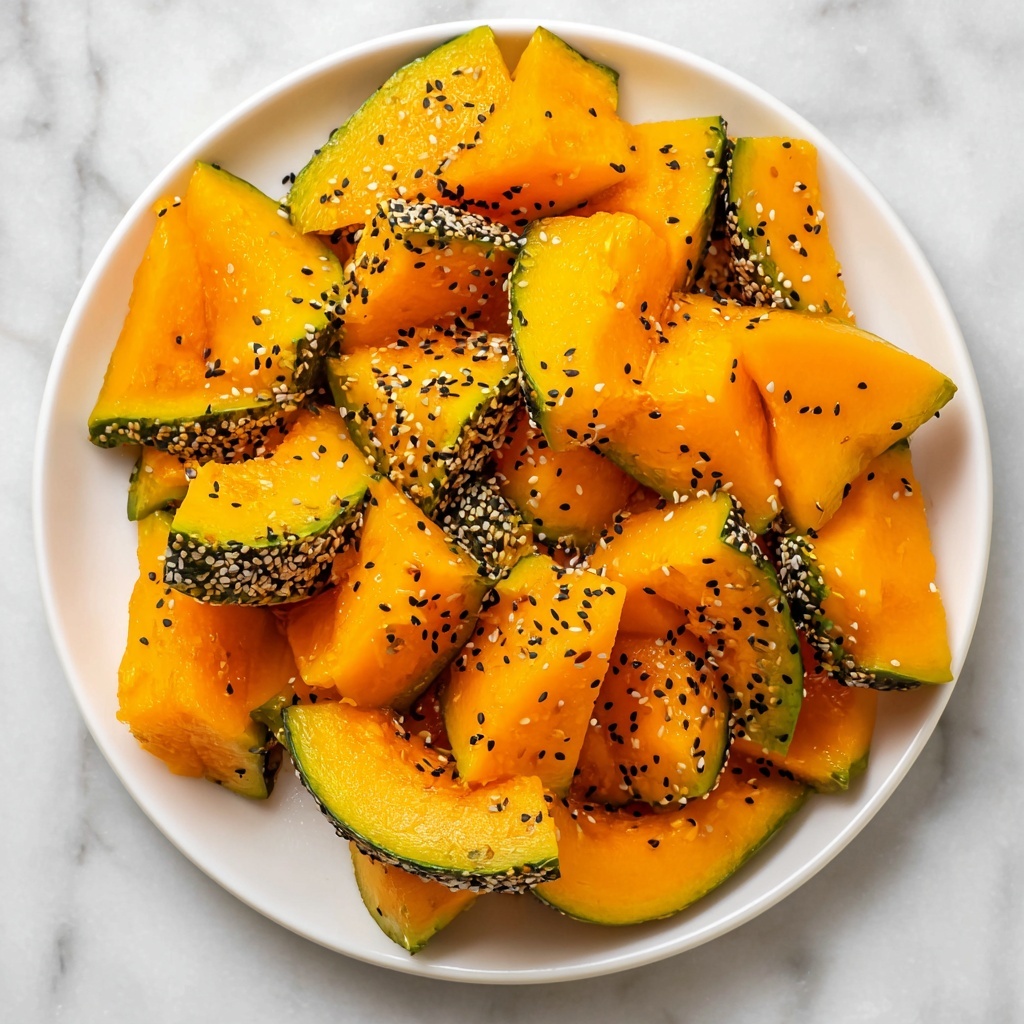
Garnishes
Simple garnishes like toasted sesame seeds and fresh sliced green onions not only add a beautiful pop of color but also provide a lovely nutty crunch and fresh bite that complements the mellow squash perfectly. These little touches can elevate your presentation and flavor without extra effort.
Side Dishes
This dish pairs wonderfully with steamed white or brown rice, which soaks up the sweet-savory sauce beautifully. For a balanced meal, consider serving it alongside a light miso soup or a crisp cucumber salad. These sides offer refreshing contrasts that enhance the overall meal experience.
Creative Ways to Present
Looking to impress guests? Serve the kabocha in small, individual bowls with a sprinkle of toasted sesame seeds and chopped green onions on top. You can also drizzle a little extra mirin or soy sauce right before serving to intensify the flavors. For a festive touch, arrange pieces in a shallow dish for sharing, encouraging everyone to savor the comforting flavors together.
Make Ahead and Storage
Storing Leftovers
This dish keeps beautifully in the refrigerator for up to three days. Store your cooled kabocha squash and broth in an airtight container to preserve the flavors and prevent the squash from drying out. Reheat gently to enjoy it just like freshly made.
Freezing
You can freeze the kabocha squash simmered in soy, mirin, and dashi, but be mindful that the texture may soften further upon thawing. Use a freezer-safe container or heavy-duty freezer bags and consume within one month for the best taste and texture.
Reheating
For reheating, warm the dish slowly on the stovetop over low heat until heated through, stirring occasionally. This method helps maintain the squash’s firmness and keeps the broth flavorful without scorching. Microwave reheating works too but do so in short intervals, stirring in between.
FAQs
Can I use fresh dashi instead of instant dashi?
Absolutely! Fresh dashi will add a wonderfully clean and delicate flavor to the dish. Just adjust the quantity according to your taste preferences, typically one cup of brewed dashi can replace the instant powder used here.
Is kabocha squash similar to pumpkin?
Kabocha is often called Japanese pumpkin and is sweeter and denser than regular pumpkin varieties. Its texture holds up well to simmering, making it perfect for recipes like this one.
Can I make this recipe vegan?
Yes! To keep it vegan, make sure you use a plant-based dashi, such as one made with kombu and shiitake mushrooms instead of the traditional bonito flakes. This will maintain that savory umami essence without animal products.
What’s the best way to cut kabocha squash?
Use a sharp, sturdy knife and cut off both ends first to create a stable base. Peel the skin if desired, though it’s edible when cooked. Slice the squash in half, scoop out the seeds, then cut into 2-inch pieces as directed here.
Can I add other vegetables to this simmer?
Definitely! Root vegetables like carrots or daikon radish work beautifully with the flavors in this recipe and will simmer alongside the kabocha, adding more variety and nutrients.
Final Thoughts
There’s something undeniably heartwarming about this Kabocha Squash Simmered in Soy, Mirin, and Dashi Recipe. It’s a simple, soulful dish that brings out the best in humble ingredients and transforms them into a symphony of sweet, savory, and umami flavors. Whether you’re cooking for yourself or a group, this recipe is sure to become a cherished favorite. So go ahead—try it, savor it, and share the joy of this delightful kabocha dish with your loved ones!
Print
Kabocha Squash Simmered in Soy, Mirin, and Dashi Recipe
- Prep Time: 10 minutes
- Cook Time: 10 minutes
- Total Time: 20 minutes
- Yield: 4 servings
- Category: Side Dish
- Method: Stovetop
- Cuisine: Japanese
- Diet: Vegetarian
Description
This comforting Kabocha Squash recipe features tender, simmered squash pieces cooked in a flavorful broth of soy sauce, mirin, brown sugar, and instant dashi. A simple and quick dish that highlights the natural sweetness and creamy texture of kabocha, perfect as a side or light main served with rice and garnished with sesame seeds and green onions.
Ingredients
Broth Ingredients
- 1 cup water
- 2 tablespoons soy sauce
- 2 tablespoons mirin
- 1 tablespoon brown sugar
- 1 teaspoon instant dashi powder
Main Ingredient
- 1 kabocha squash, chopped into 2-inch pieces
Optional Garnishes
- Sesame seeds
- Sliced green onions
- Steamed rice
Instructions
- Prepare the broth: In a large stockpot, combine water, soy sauce, mirin, brown sugar, and instant dashi powder. Stir well and bring the mixture to a boil over high heat, allowing it to boil for about 2 minutes to fully dissolve the flavorings.
- Cook the kabocha squash: Add the chopped kabocha squash pieces to the boiling broth. Stir gently, then cover the pot with a lid. Allow the mixture to return to a boil, then reduce the heat to medium and let it simmer for 8 to 10 minutes, or until the squash is tender when pierced with a fork. Stir occasionally to ensure even cooking and prevent sticking.
- Serve and garnish: Optionally, serve the simmered kabocha with steamed rice. Garnish with sliced green onions and a sprinkle of sesame seeds to add flavor and texture to the dish.
Notes
- Be sure not to overcook the kabocha as it can become mushy; tender but firm texture is ideal.
- Adjust the sweetness by varying the amount of brown sugar according to your taste preference.
- Instant dashi powder can be replaced with homemade dashi or vegetarian dashi alternatives if preferred.
- This dish pairs excellently with steamed rice for a complete meal.