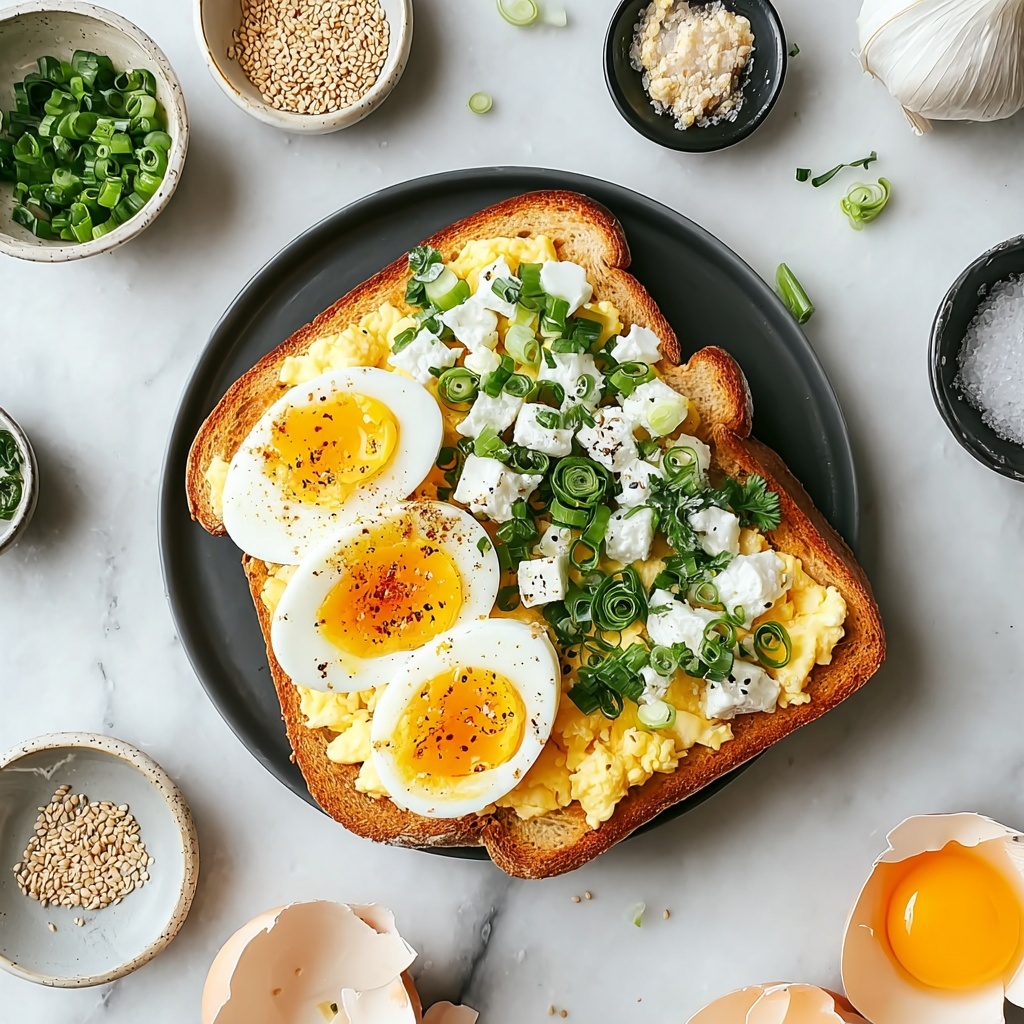
If you’ve ever wondered how to take a humble egg sandwich to a whole new level of fluffy, creamy, and irresistibly delicious, then this Japanese Egg Sandwich Recipe is about to become your new lunch obsession. This sandwich has an addictive combination of soft, perfectly boiled eggs mixed with a subtle hint of soy sauce and a touch of sweetness, all packed inside pillowy white bread with the crusts trimmed off for that signature Japanese convenience store vibe. Once you try it, you’ll see why this simple yet extraordinary sandwich has captured hearts worldwide and is the perfect comfort food for any time of day.
Ingredients You’ll Need
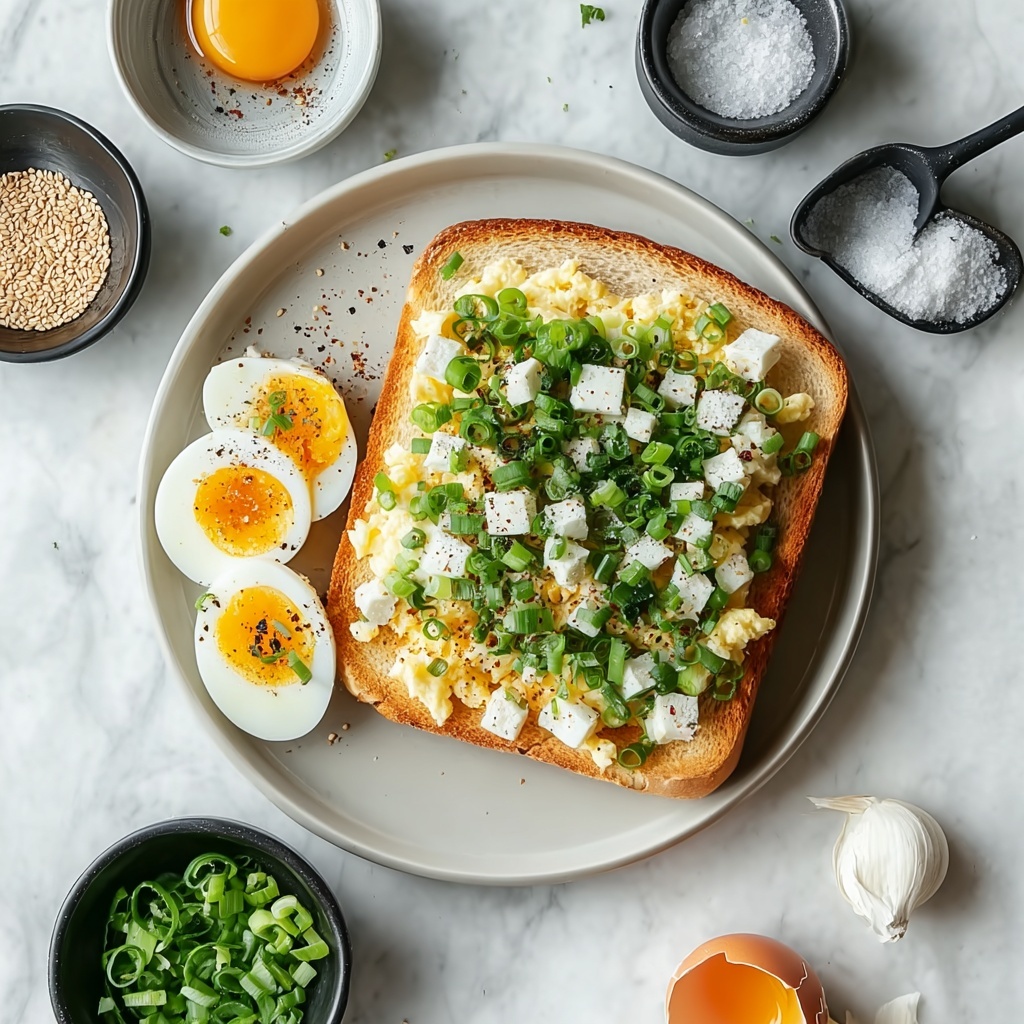
This recipe shines because it relies on a handful of simple, pantry-friendly ingredients that come together to create a harmony of flavors and textures. Each component plays a crucial role in balancing creaminess, saltiness, and a touch of sweetness—all enhancing the softness of the eggs and bread.
- 6 large eggs: The star of the sandwich, boiled to creamy perfection for a tender, yet firm texture.
- 1/4 cup mayonnaise: Adds rich creaminess and binds the filling together with a velvety smoothness.
- 1 tablespoon soy sauce: Introduces a subtle umami depth that elevates the egg mixture without overpowering it.
- 1 teaspoon sugar: Just enough to balance the saltiness and give a slight sweetness to the filling.
- 1/4 teaspoon salt: Enhances all the flavors without making the sandwich too salty.
- 1/8 teaspoon black pepper: Offers a gentle background spice that keeps the taste interesting.
- 8 slices white bread: Choose soft, fluffy sandwich bread for that signature texture and gentle bite.
- Butter for spreading: Adds a subtle richness when spread on the bread, complementing the filling beautifully.
How to Make Japanese Egg Sandwich Recipe
Step 1: Boil the Eggs
Start by placing 6 large eggs in a pot and covering them with cold water. Bring the water to a boil over medium-high heat, then reduce the heat to low and let the eggs simmer for exactly 9 minutes to ensure they become perfectly hard-boiled without any greenish ring around the yolk.
Step 2: Cool and Peel
Immediately transfer the eggs to a bowl of ice water to stop the cooking process and make peeling easier. Let them cool for about 5 minutes, then gently peel off the shells, revealing those bright, tender eggs ready for chopping.
Step 3: Prepare the Egg Filling
Chop the peeled eggs into small pieces to create an ideal texture for spreading. In a mixing bowl, combine these chopped eggs with 1/4 cup mayonnaise, 1 tablespoon soy sauce, 1 teaspoon sugar, 1/4 teaspoon salt, and 1/8 teaspoon black pepper. Mix everything thoroughly until the filling is smooth, creamy, and evenly seasoned.
Step 4: Assemble the Sandwiches
Spread a thin layer of butter on one side of each bread slice—this will add richness and also help prevent sogginess. Evenly divide the egg filling among 4 of the bread slices (buttered side down) and spread it to the edges for every delicious bite. Then top each with a remaining slice of bread, butter side down, creating 4 perfectly snug sandwiches.
Step 5: Trim and Cut
For that authentic Japanese Egg Sandwich feel, trim off the crusts with a sharp knife. This step not only makes the sandwich easier to handle but also elevates the softness factor. Finally, cut each sandwich diagonally to make two neat triangular halves that are perfect for enjoying immediately or packing for later.
How to Serve Japanese Egg Sandwich Recipe
Garnishes
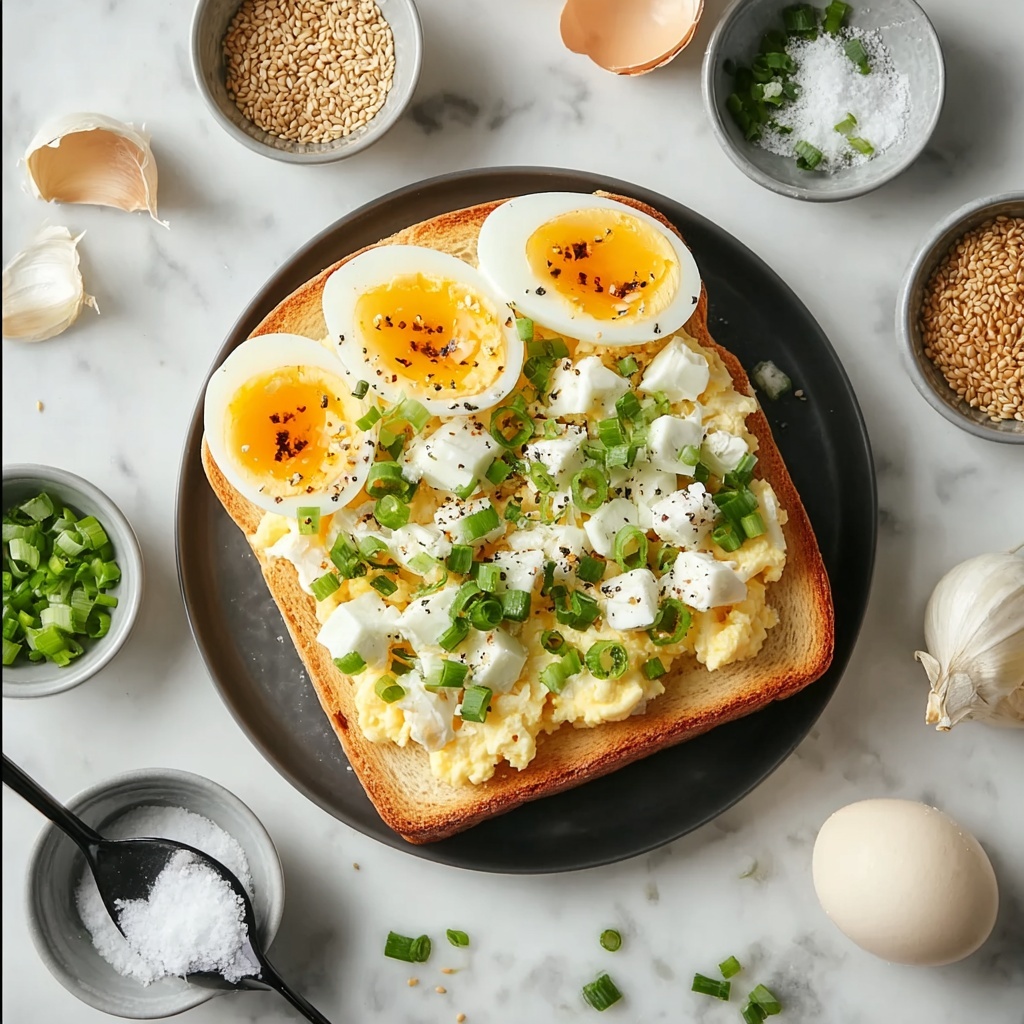
This sandwich doesn’t demand heavy garnishes, but a small sprinkle of fresh chopped chives or finely shredded nori (seaweed) on the side can add a lovely pop of color and a touch of freshness that pairs wonderfully with the mellow egg filling.
Side Dishes
Serve your Japanese egg sandwich alongside crisp, lightly salted cucumber slices or a small dollop of pickled ginger to introduce a contrast in texture and a bright, tangy counterpoint. A simple green salad dressed with rice vinegar complements the softness of the sandwich beautifully.
Creative Ways to Present
If you want to impress, try stacking the sandwich filling between toasted sandwich buns instead of sliced bread for a crunchy twist, or cut the sandwiches into bite-sized squares for a fun party appetizer. Wrapping these sandwiches tightly in parchment paper before serving can give that authentic Japanese convenience store look, making a lunchbox lunch feel special.
Make Ahead and Storage
Storing Leftovers
If you have any leftover Japanese egg sandwich filling, store it in an airtight container in the refrigerator and enjoy within 2 days for the best flavor and texture. The bread sandwiches themselves are best eaten fresh, but can be refrigerated wrapped tightly for a few hours.
Freezing
Freezing is not ideal for these sandwiches since the bread tends to get soggy and the creamy filling loses its smooth texture after thawing. It’s best to freeze the filling alone if needed and assemble fresh sandwiches after defrosting.
Reheating
Since the sandwich is best served chilled or at room temperature, reheating is not recommended. If you want a warm twist, consider lightly toasting the bread before adding the filling, but avoid microwaving an assembled sandwich to preserve the creamy texture.
FAQs
Can I use whole wheat or multigrain bread instead of white bread?
While traditional Japanese egg sandwiches use fluffy white bread, you can absolutely experiment with whole wheat or multigrain varieties to add extra fiber and a nutty flavor. Just keep in mind these breads tend to be denser and the texture will differ.
What can I substitute for mayonnaise in this recipe?
If you prefer a lighter option or have dietary restrictions, try Greek yogurt or a vegan mayo substitute. Both still offer creaminess but will slightly alter the flavor profile of the sandwich.
How do I ensure my boiled eggs are perfect for the sandwich?
Timing is key! Boil eggs for exactly 9 minutes and cool them in ice water immediately to achieve tender, firm yolks without that green ring. This keeps the texture ideal for chopping and mixing.
Is soy sauce necessary, or can it be omitted?
Soy sauce adds that subtle umami boost that makes this Japanese Egg Sandwich Recipe unique, but if you need to omit it, you might want to increase the salt slightly or add a dash of Worcestershire sauce for a similar savory depth.
Can I add extra ingredients to the egg filling?
Absolutely! Some people love adding finely chopped scallions, a sprinkle of toasted sesame seeds, or even a few pieces of cooked bacon for a twist. Just keep additions subtle so they don’t overpower the creamy egg base.
Final Thoughts
There’s something so comforting and effortlessly delicious about the Japanese Egg Sandwich Recipe that makes it a must-try for any home cook seeking a quick, satisfying bite with a twist. It’s incredibly simple yet endlessly charming, perfect for sharing with friends or savoring on a cozy afternoon. Give it a go—you’ll find it becoming a fast favorite in your sandwich rotation!
Print
Japanese Egg Sandwich Recipe
- Prep Time: 15 minutes
- Cook Time: 10 minutes
- Total Time: 25 minutes
- Yield: 4 sandwiches
- Category: Sandwich
- Method: Boiling
- Cuisine: Japanese
Description
This classic Japanese Egg Sandwich, known as Tamago Sando, features a creamy and flavorful egg filling seasoned with soy sauce and sugar, nestled between soft white bread slices. It’s a simple yet satisfying comfort food perfect for breakfast, lunch, or a light snack.
Ingredients
Egg Filling
- 6 large eggs
- 1/4 cup mayonnaise
- 1 tablespoon soy sauce
- 1 teaspoon sugar
- 1/4 teaspoon salt
- 1/8 teaspoon black pepper
Bread & Assembly
- 8 slices white bread
- Butter for spreading
Instructions
- Prepare the eggs: Crack and carefully place 6 large eggs in a pot, covering them with cold water. This ensures eggs are evenly cooked.
- Boil the eggs: Bring the water to a boil over medium-high heat to start the cooking process.
- Simmer for hard-boiled eggs: Once boiling, reduce heat to low and let the eggs simmer for 9 minutes to achieve hard-boiled perfection.
- Prepare ice bath: While eggs cook, prepare a bowl of ice water to rapidly cool the eggs after boiling.
- Cool the eggs: After 9 minutes, remove eggs from heat and transfer them to the ice water using a slotted spoon to stop cooking and make peeling easier.
- Chill the eggs: Let the eggs cool in the ice water for about 5 minutes until completely cooled.
- Peel and chop: Carefully peel the cooled eggs and chop them into small pieces suitable for sandwich filling.
- Make the egg filling: In a mixing bowl, combine the chopped eggs, 1/4 cup mayonnaise, 1 tablespoon soy sauce, 1 teaspoon sugar, 1/4 teaspoon salt, and 1/8 teaspoon black pepper.
- Mix thoroughly: Stir the mixture until the egg filling is well combined and creamy.
- Butter the bread: Spread butter on one side of each of the 8 slices of white bread to add richness and prevent sogginess.
- Assemble sandwiches: Divide the egg filling evenly among 4 slices of bread, spreading it evenly over the buttered side.
- Top with bread slices: Place the remaining 4 slices of bread on top of the filled slices, buttered side down, to complete the sandwiches.
- Trim crusts: Using a sharp knife, trim the crusts off each sandwich for the authentic Japanese presentation.
- Cut diagonally: Cut each sandwich diagonally to create two triangular halves, making them easier to handle and eat.
- Serve or store: Serve the Japanese egg sandwiches immediately or wrap them in plastic wrap and refrigerate for later enjoyment.
Notes
- Using an ice water bath is crucial to halt the cooking process and achieve perfect hard-boiled eggs.
- Adjust the amount of soy sauce and sugar according to your taste preference for sweeter or saltier filling.
- Butter the bread generously for added flavor and to keep bread from getting soggy.
- These sandwiches are best eaten fresh but can be stored wrapped in the fridge for up to one day.
- For a healthier option, you can substitute mayonnaise with Greek yogurt.